Internet Fraud and Web Scams - How to stay safe
Internet Scams
spacer
BBB Phishing Email
Blocking Popups
Online Dating
Worst Email Scams
Email Scams of 2007
Nanny Sites
FBI Surveillance Email
Advance Fee Scams
Auto Dialers
Counterfeit Money Orders
Craigslist Scams
eBay Scam Tips
Fake Escrow Sites
Identity Theft
Internet Fraud
Lottery Scams
Nigerian Email Scams
Nigerian Check Scams
Online Auctions
Phishing
Spear Phishing
Phishing Schemes Getting Sneakier
Harry Potter Scam
Spoofed Email Detection
Spyware Delisting
Internet Security
What is a Firewall?
What is Adware?
What is Spyware?
spacer


You are at: Home nav Internet Fraud and Web Scams

Internet Fraud and Web Scams - How to stay safe

Use our internet safety tips to protect you and your family from internet scams so that you can make purchases online and surf the web without fear

internet fraudThe internet today is one of the widest reaching forms of media the world has ever seen. Many people feel safe and anonymous when exchanging emails, chatting on-line, purchasing items and doing research.

All scams that have been done via other mediums over the years can be done even easier because of the anonymity of the internet. The con artists will use the chat rooms to tout their product, send unsolicited emails and build web sites to attract you to them. Try to keep aware of these scams and recognize them for what they are. A little caution will go along way.


Email Scams are a top concern

Unsolicited emails are a top complaint among web users. They are annoying and make it hard to go through your email without accidently deleting a real message. There is one important fact you need to know about these email messages: A lot of them are scams. Email scams work very well. That's why there is so much spam. If it didn't work no one would bother sending them. Some of the more popular email scams are chain letters, bulk email solicitation, credit repair, guaranteed loans, diet scams, vacation giveaways, investment opportunites, online dating scams and cable descrambler kits. These are just a few of the email scams that arrive in mailboxes every day. Responding to unsolicited emails is risky business. Legitimate businesses don't advertise using this tactic. Find out more: Read all about the worst email scams referred to as the "Dirty Dozen" by the FTC.


Nigerian 419 Scams

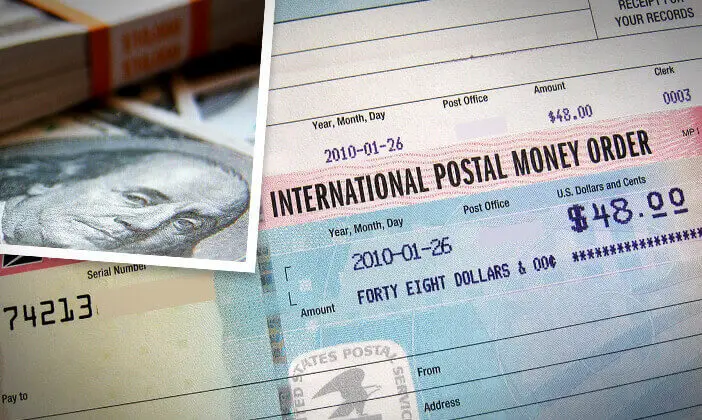
In this classic scam someone from another country needs your help. They claim to have an extraordinary amount of money that needs to be transfered to the US. For your trouble, you can keep a hefty percentage of the loot. To get the money into your account someone needs to be bribed. That's where you come in. Once you send this advance fee the money will be deposited into your account. At least that's how it's supposed to work. In reality, you'll never see a dime. Nigerian scams take many forms. The bottom line is that you need to send a little money to get a lot in return. One variation involves an internet lottery you never knew you entered. Another is a bid on your online auction for far more than your item is worth. They'll pay with a money order that will be for more than the agreed on price. They will quickly realize their mistake and ask you to return the extra funds to them. If you decline the request will trun into demands or threats. They'll want you to pay quickly because their initial payment will turn out to be a counterfeit money order. These scams are often easy to spot. Some are more elaborate. Just remember, no one in their right mond sends a stranger a large amount of money over the internet.

Nigerian Scam Links

Nigerian Email Scams
Nigerian Counterfeit Check Scams


Phishing Scams

Read more about Phishing Scams and find out what you need to know to keep this scam from damaging your finances or any of your online accounts.


Internet related service scams

You receive an email with a too good to be true offer for internet services such as setting up a web site or designing graphics and logos for your web site or business. This scam can come in the guise of many offers but are usually all internet related. Maybe it is an offer to help you with auction services or ad banners for your web site and more.

You respond to respond to this and pay your fees up front or they will not perform the service. The scam of course is that you will never receive the service you paid for.


Phishing Scams

Phishing is a scam using emails that look like they're from banks, credit unions or other businesses and ask a computer user for their bank account number, Social Security number or other personal information. The email is only part of the scheme because once you click the link in the email to log into your account you wind up at a website that is an exact duplicate of the one you expected to find. The only exception is that the URL or website address is a little funny although it may look close enough to the real thing to fool you. It's a relatively simple scam and it works very, very well. People need to be aware of who they are buying from and what they are buying.


Internet Fraud Links

Internet Fraud - USDOJ
Internet Schemes - FBI


Home | Tip of the Day | Privacy | Site Map | Contact Us

How to report fraud and scams in your state

© 2008 Fraudguides.com. All Rights Reserved.
This site is protected under both U.S. Federal copyright law and international treaties. No part of this site,
including text, layout or images, may be reproduced or copied in any form or by any method.