
Rolling back a car’s odometer can inflate the resale value of a high-mileage vehicle and increase repair costs down the road.
Anyone buying a car checks the odometer because a vehicle’s mileage affects its value. The higher the mileage is the less you pay and vice versa. This makes tampering with the odometer very tempting for individuals selling cars. Rolling back the odometer puts a little extra money in their pockets. Think about how much a car dealership could make doing this. Several unscrupulous car dealers have been caught red handed engaging in odometer rollback scams. Their gain is your loss. The dealer makes extra money and you are stuck with a vehicle that’s not as good as you thought it was.
Rolling back a car’s odometer is harder today than it was in year’s past thanks to computer technology and the easy availability of vehicle history reports. Unethical car dealers and some savvy individuals, however, are finding new ways to turn back the clock on the cars by rolling back their odometers and selling them for more than they’re worth.
What Odometer Tampering Costs You
Falsifying odometer readings can be very costly to you. The first is obvious; you will pay more than you should have for the vehicle. Another is that maintenance will cost you more than you anticipated. Older vehicles with high mileage require frequent servicing. This is where an odometer scam will hit you right in the pocketbook. Car repair costs add up quickly. That’s one reason dealers roll back odometers. Sometimes it’s the only way they can sell high mileage vehicles.
Removing 10,000 miles here and there may not sound like a big deal, but it can mean an additional $1,000 or more to the seller. The car may look great on the outside but older vehicles tend to require more maintenance than newer ones. Some consumers think they’ve received a bargain only to find out later that their new previously-owned vehicle is a money pit requiring frequent trips to the shop. It’s no wonder people prefer cars with low mileage.
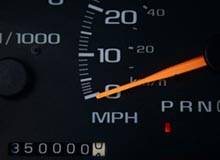
Tampering with an odometer is a crime
Odometer tampering is forbidden by state and Federal laws. In addition, dealers and individuals selling cars are required by law to provide purchasers with accurate odometer information. For instance, car buyers have a right to know the full amount of miles on the odometer and must be told if that mileage reading is accurate to the best of the sellers’ knowledge. Tampering with the odometer to make it appear that a car has been driven fewer miles than it actually has is illegal. It’s also illegal to disconnect your odometer if the intention is to deceive. Disconnecting an odometer to maintain car value is in violation of the law.
How to avoid Odometer Rollback Fraud:
There’s nothing unreasonable about requesting information so you can verify the car’s history, even if the seller appears to be honest. This can be accomplished by:
- Asking for a search of titles from your state’s Department of Motor Vehicles.
- Request copies of the vehicle’s odometer disclosure forms from dealers who previously sold the vehicle.
- Examining the door frame insides for oil change stickers.
- Reviewing the inspection sticker from the vehicle’s last inspection for its mileage
- Seeking an opinion from a repair shop you trust.
Remedies for suspected odometer rollback fraud include litigation under the federal Motor Vehicle Information Cost Savings Act or in your local state court.
In addition, most states law makes odometer rollbacks a felony. Criminal cases can be prosecuted by the Attorney General and county prosecutors.
Most states have passed laws classifying odometer rollback violations as a felony. These felonious cases can be prosecuted by either your state’s Attorney General or prosecutors in your county.
For specific odometer rollback laws in your state, confirm with your local city or county consumer agency administrator, county prosecutor’s office of consumer affairs or state Attorney General’s office.
Signs your odometer’s been tampered with:
- Examine the dashboard for scratch marks or loose screws. They could indicate your odometer’s been tampered with. However, it’s also a sign of normal maintenance including light bulb replacement.
- If the odometer is of the older, analog variety rather than digital, check to see if the mileage numbers are aligned. Give the 10,000 digit a careful examination.
- During a test drive, does the odometer stick?
- Check for service stickers (oil change, tune up, etc.) that may have the vehicles true mileage. Check under the car’s hood and inside the door.
- Check the owner’s manual for maintenance records. If it appears that pages were removed, ask about it. This is a red flag.
- If you’re purchasing the car from a dealership, ask they did a computer check. If so, did they find any warranty records?
- Ask for a moment to look at the vehicle’s title. Look closely for signs the mileage has been altered.
- Take note of the title’s issue date. Was the vehicle sold soon it was issued? Be wary if it was. This is a common way tricksters mask a vehicle’s actual mileage.
- Are there signs of wear? Check the arm rests, carpet, steering wheel, and pedals. A lot of wear could be a sign the car has more miles on it than the odometer indicates. If any of these parts look new, too new, it could be a sign the owner is trying to hide something.
Order a Vehicle History Report
If there is a difference between what a vehicle’s odometer should read and what it actually shows you will know it if you order a report detailing the vehicle’s history from a service like CarFax or Autoheck. You can request a car’s history by submitting nothing more than its VIN number. This is really handy when someone selling a car doesn’t have any documented history.
Anyone buying a used car should seriously consider requesting a vehicle history report to avoid getting burned.
